Post edited 9:08 am – February 14, 2011 by Xenka
Przeczytałam artykuł i naprawdę chwała Ci, Poetic, za to, że czuwasz nad tudorowymi newsami i ciągle zaskakujesz nas czymś nowym :)
Poczytałam trochę o tym tzw. Kell antigen system. Dotarłam oczywiście najpierw do wikipedii, ale jej nie ufam, więc nie będę jej cytować. Natomiast odnalazłam stronkę z Doctor NDTV, na której ten system Kell antygenów jest wyjaśniony w całkiem przystępny sposób. Pozwolę sobie wrzucić długi cytat:
Our red blood cells (and some tissues) have got chemical substances called antigens
on their surface and the ability to form these antigens is governed by genes
inherited from parents. These antigens may be proteins, carbohydrates or other
complex chemicals. The presence of these antigens (and their antibodies) has
given rise to blood group systems and they play a role in blood transfusion and
tissue typing. Currently about 30 different blood group systems are known in
humans but the ones of clincal significance are the ABO system, Rh system,
Kell, MNS, Lewis etc. The importance of blood group systems lies in transfusion
and transplant medicine as we can receive blood (or organ) from only an
individual whose blood group matches ours. In case of mismatch, the body's
immune system recognises the 'foreign' antigen and fights it leading to disease
states. Thus, blood group matching is done so that compatible blood (or tissue)
is selected.
The Kell antigen system (or the Kell-Cellano system) was named after the family of
the antibody producer Mrs. Kellacher. It is one of the major antigenic systems
in human red blood cells and is important in transfusion medicine because the
antibodies can cause severe reactions to transfusion of incompatible blood and
hemolytic disease in newborn infants (HDN). It consists of over 20 different
antigens (KEL1 to KEL24), which are coded by a gene complex present on
chromosome 7. The k antigen (Cellano or K2) is far more common than K antigen
(Kell or K1). Approximately 9% of the population has the K1 RBC phenotype and
antibodies to K1 are developed in about 5% of persons receiving a single unit
of incompatible blood. The reason is related to frequent
transfusion-alloimmunization by Kell antigen and the low frequency of the K:1
gene among fathers. Kell hemolysis is severe in about half of cases.
Kell allo-immunization in women can be caused by pregnancy with a Kell-positive baby
or, more commonly, following transfusion with Kell-positive blood i.e.
individuals lacking a specific Kell antigen may develop antibodies against Kell
antigens when transfused with blood containing that antigen or being exposed to
red cells bearing that antigen. Subsequent blood transfusions may be marked by
destruction of the new cells by these antibodies. People without Kell antigens
(K0), must be transfused with blood from donors who are also K0 to prevent
hemolysis. Autoimmune hemolytic anemia (AIHA) occurs when the body produces an
antibody against a blood group antigen on its own red blood cells. The
antibodies lead to destruction of the red blood cells with resulting anemia.
The majority of cases of Kell sensitization are secondary to incompatible red
cell transfusions since blood is not routinely cross matched for the Kell
antigen.
The K (K1) antigen is very immunogenic and causes strong reactions in case of
mismatched blood transfusion and severe fetal anemia in sensitized mothers. It
is produced only after exposure to the antigen as a result of pregnancy or
repeated blood transfusions and thus the anti-K antibody is seen frequently in
individuals. The k antigen (K2) too is immunogenic but as it is present in most
individuals, the anti-k antibody is much less common.
Nie znam królowej Elżbiety II, bo mówiąc szczerze, nigdy się nią nie interesowałam, ale obawiam się, że może nie zgodzić się na badanie zwłok i wyciąganie na wierzch takich informacji. Jednak lepiej dla linii królewskiej, kiedy ludzie myślą, że Henryk był tyranem niż człowiekiem chorym psychicznie.
A właściwie, czy ta decyzja nie powinna należeć do Rządu? Przecież Elżbieta pełni rolę królowej tylko reprezentacyjnie i de facto ma niewiele do powiedzenia, co najwyżej może doradzać itd.


 Login
Login  Register
  Search
  Home
Home

 Print this Post
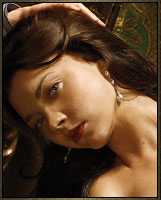



 Chociaż i tak jestem przekonana, że cała reformacja w Anglii była spowodowana uczuciem Henryka do jednej kobiety czyli Anny Boleyn, a więc jest to jakiś rodzaj 'szaleństwa'
  Jakby na to spojrzec, gdyby Anna zgodziła się zostać metresą, wtedy Henrk nie musiałby rozwodzić się z Katarzyną która ewnetualnie umarłaby w 1536 r. a Henryk mógłby poślubić nową kobietę, ale wydaje mi się że Anną by się znudził do tego czasu, zwłaszcza jeżeli urodziłaby tylko córkę i poroniła dwa razy. Ale wtedy po prostu przestałaby być jego kochanką, może wydałby ją za mąż tak jak Bessie Blout, a sam poślubił inną damę, może byłaby to Jane Seymour, a może jakaś inna? Kto wie



 Topic RSS

 Polish
 English


